
How to Choose a Notebook You’ll Actually Use Every Day
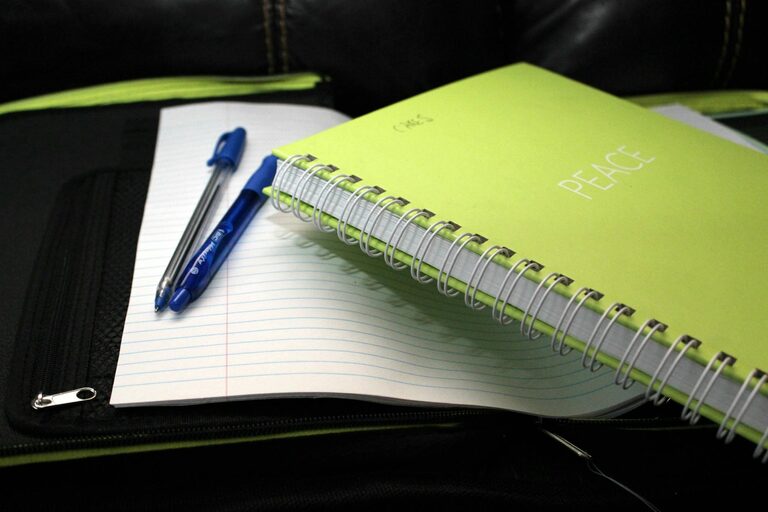
Choosing a notebook might seem like a simple task, but anyone who’s ever bought one only to leave it unused knows it can be more challenging than it appears. With so many options out there—from classic lined journals to digital-ready planners—finding a notebook you’ll actually use requires a little thought. This guide will help you select the right notebook that supports your habits, preferences, and goals.
Why Choosing the Right Notebook Matters
A notebook isn’t just a collection of blank pages; it can be your creative outlet, planner, or a tool to boost productivity. When the notebook fits your needs, you’re more likely to open it regularly and enjoy the process of writing or organizing your thoughts. Conversely, the wrong notebook can end up gathering dust.
Before making a purchase, keep in mind:
– How you intend to use the notebook
– Your writing style and habits
– Portability and storage preferences
– Design elements that inspire you
Step 1: Define Your Purpose
Start by asking yourself what the notebook’s main purpose will be:
– Journaling or creative writing: You might prefer unlined or dotted pages to allow drawing, freeform notes, and ideas.
– Note-taking or studying: Lined pages or grid layouts help keep writing tidy and structured.
– Planning and scheduling: Consider planners with calendars, to-do lists, or goal trackers.
– Work meetings: A professional-looking notebook with durable covers and quick access can be ideal.
– Art and sketching: Look for thicker pages, possibly with no lines, to handle pens and markers without bleed-through.
Knowing how you’ll use the notebook can narrow down the many options and make your selection focused.
Step 2: Choose the Right Size
Notebooks come in various sizes, each serving different purposes:
– Pocket notebooks (A6 or smaller): Great for quick ideas on the go but limited space.
– Medium size (A5): Balanced size, easy to carry, and fits standard bags.
– Large notebooks (A4 or bigger): Ideal for detailed notes, sketches, or detailed planning, but less portable.
Think about where and how often you’ll use it. If you want something to carry everywhere, a medium or pocket-size may be best. For home or office use, larger formats can provide ample space.
Step 3: Select Paper Type and Quality
Paper quality affects writing experience significantly. Consider these factors:
– Paper thickness (measured in gsm): Heavier paper (around 90-120 gsm) limits ink bleed-through and allows different pens.
– Texture: Smooth paper suits fountain pens, while slightly textured paper can add tactile enjoyment.
– Color: White, ivory, or cream. Ivory and cream can be gentler on the eyes.
– Page layout: Lines, grids, dots, or blank pages. Your writing style and needs should dictate this choice.
If you’re particular about pens or ink, test some notebooks before buying.
Step 4: Decide on Binding and Cover Style
The binding and cover affect durability and usability:
– Spiral-bound notebooks: Lay flat easily but may snag or damage over time.
– Sewn or stitched binding: Durable and often allows the notebook to lie flat but usually non-removable pages.
– Hardcover vs. softcover: Hardcovers protect the notebook and give a sturdy writing surface; softcovers are flexible and lighter.
– Expandable covers or pockets: Useful for storing receipts, notes, or stickers.
Choose a style that matches your usage and personal taste.
Step 5: Consider Additional Features
Some notebooks come with extra features that might enhance your experience:
– Ribbon bookmarks: Helpful to mark your current page.
– Page numbers and indexes: Useful for organized note-taking and referencing.
– Perforated pages: Allow easy removal.
– Pen holders: Keep a pen handy.
– Elastic closures: Secure your notebook when not in use.
– Number of pages: Enough to last until you’re ready to start a new notebook.
Decide which extras will support your workflow without adding unnecessary bulk.
Step 6: Factor in Price and Brand
While quality often comes at a price, you don’t always need to invest a lot to find a good notebook. Popular brands might offer consistent reliability, but smaller or niche manufacturers produce excellent options too.
– Set a budget based on how often you’ll use the notebook.
– Consider if you want to try different notebooks over time or stick with one.
– Read reviews and get recommendations when possible.
Remember, the best notebook is the one you’ll love to open and use regularly.
Step 7: Test and Adjust
Once you get a notebook, give yourself some time to explore it. Experiment with your writing tools, page layouts, and organization methods. Don’t hesitate to switch if it doesn’t feel right; finding your perfect notebook is a personal journey.
Tips to Make the Most of Your Notebook
– Customize it with tabs, stickers, or color-coding.
– Set dedicated times to journal or plan.
– Use it for multiple purposes—combine notes, lists, and sketches.
– Keep it visible and accessible to encourage usage.
—
Choosing a notebook that suits your style and purpose means you’re more likely to make it part of your daily routine. Consider your needs carefully, try different options, and enjoy the many benefits of putting pen to paper. Happy writing!
Related Post

How to Make Your Kitchen Counters Clutter-Free and Organized
Discover simple and effective tips to keep your kitchen counters clean, organized, and clutter-free for [...]

Quick Ideas to Make Mornings Smoother and Stress-Free
Discover simple, effective tips to streamline your mornings and start your day with ease and [...]

Essential tools for a small kitchen: Must-haves for every home
Discover the essential tools that make cooking in a small kitchen efficient and enjoyable without [...]