
How to Store Seasonal Clothes Efficiently for Easy Access
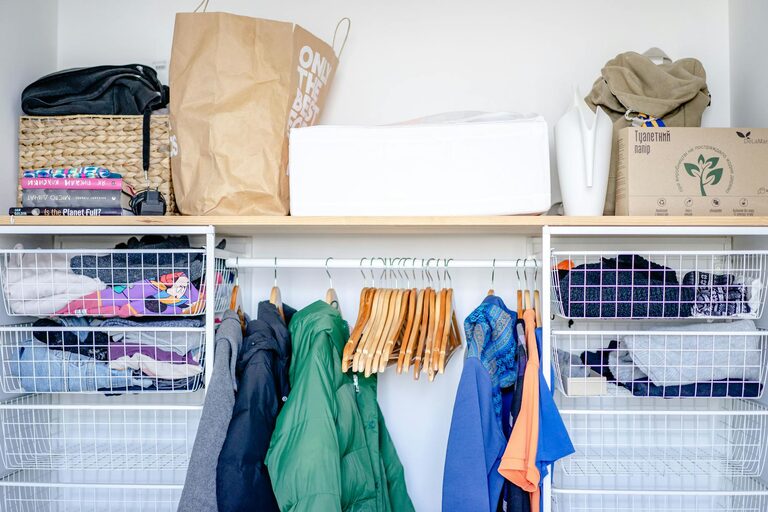
Storing seasonal clothes efficiently can save space, keep your wardrobe organized, and protect your garments for the next season. Whether you’re putting away winter sweaters or summer dresses, the right techniques make a big difference. In this post, we’ll explore practical ways to store clothes by season, helping you maintain a clutter-free closet and extend your clothing’s life.
Why Seasonal Storage Matters
Swapping out your wardrobe each season isn’t just about convenience. Efficient seasonal storage helps you:
– Maximize closet space by keeping only current-season clothes accessible
– Protect delicate fabrics from damage, dust, and pests
– Keep your clothes fresh and wrinkle-free
– Save time by finding what you need quickly
With some planning and simple tools, you can create a seasonal storage system that works for your lifestyle and space.
Prepare Your Clothes Before Storing
Before packing away off-season clothes, a little prep ensures they stay in great shape.
Clean Everything Thoroughly
Dirt, sweat, and oils can cause fabric damage or stains if left on garments during storage. Wash or dry clean items according to care instructions. Make sure clothes are completely dry before storing to prevent mold and mildew.
Repair and Mend
Check for loose buttons, broken zippers, or small tears. Fixing these now means your clothes will be ready to wear when you retrieve them next season.
Sort by Type and Frequency
Group clothes by type (e.g., sweaters, coats, shorts) or how often you wear them. This helps with organized packing and efficient retrieval later.
Choose the Right Storage Containers
The containers you use can affect how well your clothes are preserved.
Breathable Fabric Bags
Cotton or linen garment bags allow airflow, preventing moisture buildup while protecting delicate items from dust.
Plastic Bins with Sealing Lids
Clear plastic bins keep out pests and moisture, and their transparency makes it easy to see what’s inside. Choose bins with airtight lids for extra protection in humid environments.
Vacuum-Sealed Bags
These save space by compressing bulky items like coats and sweaters. However, avoid long-term storage in vacuum bags for delicate or natural fibers, as lack of airflow may cause damage over time.
Storage Boxes with Dividers
Boxes with compartments are helpful for sorting smaller items like scarves, hats, and gloves.
Label Everything Clearly
No matter how organized your system is, labeling containers is key. Use waterproof labels or a label maker to write down contents and the season. This saves you time hunting for specific items later.
Store in the Right Place
Where you store your clothes impacts their condition and longevity.
Cool, Dry, and Dark Spaces
Attics, basements, or garages may not be ideal if they’re prone to heat, moisture, or temperature fluctuations. Instead, use interior closets, under-bed storage, or dedicated shelves.
Avoid Direct Sunlight
UV rays can fade fabrics, especially bright or dark colors. Keep stored clothes away from sunny windows.
Off the Floor
Keep storage containers elevated off the floor to protect from potential flooding or pests.
Organize Your Closet for Seasonal Rotation
When storing seasonal clothes, design your closet layout to make switching seasons easy.
– Use double hanging rods—top rod for current season, bottom rod for off-season in storage bags
– Place frequently worn items at eye level
– Store off-season clothes in labeled bins on high shelves or under beds
– Utilize clear containers so you can spot clothes without unpacking
Add Natural Fresheners and Pest Deterrents
Consider adding natural elements to keep your clothes smelling fresh and safe.
– Cedar blocks or chips repel moths and add a pleasant scent
– Lavender sachets offer a gentle fragrance and deter insects
– Baking soda boxes can absorb moisture in storage bins
Avoid using harsh chemicals or strongly scented products that may damage fabrics.
Tips for Specific Types of Seasonal Clothing
Winter Clothes
– Fold bulky sweaters loosely to avoid stretching
– Hang coats on sturdy hangers to maintain shape
– Store wool items with moth repellents
Summer Clothes
– Keep swimwear and delicate fabrics in breathable bags
– Wash and dry thoroughly to prevent odors
– Avoid crushing foldable hats or sandals in storage
Accessories
– Use small boxes or drawer dividers to keep scarves, belts, and gloves organized
– Store shoes in clear boxes with ventilation or cloth bags
Reassess and Refresh Each Season
When it’s time to switch your wardrobe, take a moment to:
– Inspect stored clothes for any signs of damage or pests
– Rewash or freshen up items if necessary before wearing
– Donate or recycle pieces you no longer need to keep your collection manageable
Final Thoughts
Efficient seasonal clothes storage is less about complicated systems and more about consistent good habits. Preparing garments properly, choosing the right containers, and organizing thoughtfully will keep your wardrobe neat and your clothes in excellent shape. This simple approach lets you enjoy each season’s styles effortlessly and make the most of your space all year long. Happy organizing!