
How to Keep a Tidy Fridge and Pantry for a Healthier Kitchen
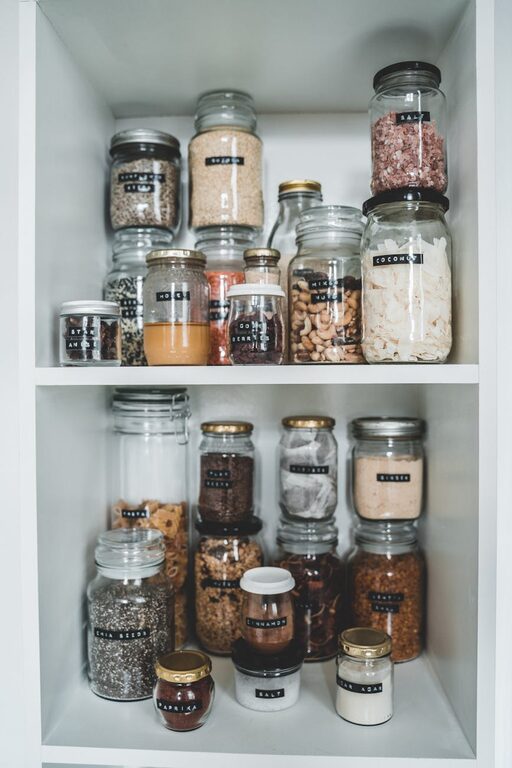
Keeping your fridge and pantry tidy may sound like a chore, but with a few easy strategies, it can become a simple habit that saves you time, reduces food waste, and makes cooking more enjoyable. Whether you have a large kitchen or a small one, organizing your food storage areas efficiently helps you know what you have, use items before they expire, and maintain a cleaner space.
In this post, we’ll share practical tips and steps for maintaining a tidy fridge and pantry. Let’s get started!
Why Keep Your Fridge and Pantry Organized?
Before diving into how, it’s good to understand why keeping these food storage areas tidy matters:
– Better food management: You can see what you have at a glance, so nothing gets forgotten and tossed out later.
– Reduced food waste: Organized storage helps you use items before they spoil.
– Improved food safety: Keeping these areas clean and orderly minimizes the risk of contamination.
– Saves time and money: You shop smarter and prepare meals faster when you know exactly what’s on hand.
– More space: Proper arrangement maximizes available space, making room for fresh groceries.
Getting Started: Clear Out and Clean
Before you begin organizing, start with a fresh slate.
1. Empty Your Fridge and Pantry
– Take everything out.
– Check expiration dates and condition.
– Discard expired, spoiled, or unwanted items.
– Set aside food you want to donate if unopened and still good.
2. Clean Thoroughly
– Wipe down all surfaces with mild soap and water.
– Clean shelves, drawers, and doors.
– Dry completely before returning items.
Organizing Your Pantry
The pantry is often a busy spot with various items competing for shelf space. Simplifying will make a big difference.
1. Categorize Your Items
Sort your pantry items into groups. Some common categories include:
– Grains and pasta
– Canned goods
– Baking ingredients
– Snacks
– Spices and seasonings
– Breakfast items
2. Use Storage Containers
Clear, airtight containers help keep food fresh and reduce clutter.
– Transfer dry goods like flour, rice, and cereals into matching containers.
– Label containers with contents and expiration dates.
– Use baskets or bins to group smaller sealed items or snacks.
3. Maintain Visibility
Arrange items so you can easily see what you have:
– Store similar items together.
– Place the oldest items at the front for quick use.
– Use tiered shelves or risers for canned goods to prevent stacking issues.
4. Optimize Shelf Space
– Adjust shelf heights if possible to fit different items.
– Use door organizers for spices or small packages.
– Keep heavy items on lower shelves for safety.
Organizing Your Fridge
Your fridge requires a bit more care because of the variety of temperatures needed for different foods.
1. Understand the Zones
– Top shelves: Best for ready-to-eat items like drinks, leftovers, or packaged foods.
– Middle shelves: Great for dairy products like milk, cheese, and yogurt.
– Drawers: Designed for fruits and vegetables, often with humidity controls.
– Bottom shelves: Best spot for raw meat or fish, which should be on trays or separate containers to prevent leaks.
2. Use Clear Bins and Labels
– Use clear containers or bins to group similar items.
– Label your bins so everyone in the household knows what goes where.
– Group items such as deli meats, cheese, or condiments.
3. Keep It Clean and Dry
– Wipe spills immediately.
– Use paper towels under fruits or vegetables if condensation forms.
– Rotate food so older items are used first.
4. Avoid Overcrowding
– Don’t stuff your fridge too full — cold air needs to circulate.
– Regularly check for and remove expired items.
– Keep a running list on the fridge door for groceries to restock.
Develop Good Habits
Staying organized takes consistent small actions:
– Do a quick check once a week to tidy and remove expired items.
– Plan meals around what you already have before purchasing more.
– Store new groceries behind older ones to use up current food first.
– Encourage family members to return items to their proper place.
Final Tips
– Consider investing in fridge organizers like egg holders or condiment racks.
– Freeze leftovers or excess items that won’t be used soon.
– Keep a thermometer in the fridge to ensure safe temperatures — ideally 37°F (3°C) to 40°F (4°C).
– Use up seasonal fresh produce by freezing or canning to reduce waste.
—
By following these tips, your fridge and pantry will stay neat, making it easier to prepare meals, save money, and reduce waste. With just a little effort to organize and maintain, you’ll create a more functional and enjoyable kitchen space. Happy organizing!
Related Post
How to Choose a Notebook You’ll Actually Use Every Day
Discover practical tips to pick the perfect notebook that fits your style, needs, and keeps [...]
Quick Ideas to Make Mornings Smoother and Stress-Free
Discover simple, effective tips to streamline your mornings and start your day with ease and [...]

Essential tools for a small kitchen: Must-haves for every home
Discover the essential tools that make cooking in a small kitchen efficient and enjoyable without [...]