
Tips for Choosing Comfortable Home Lighting That Enhances Your Space
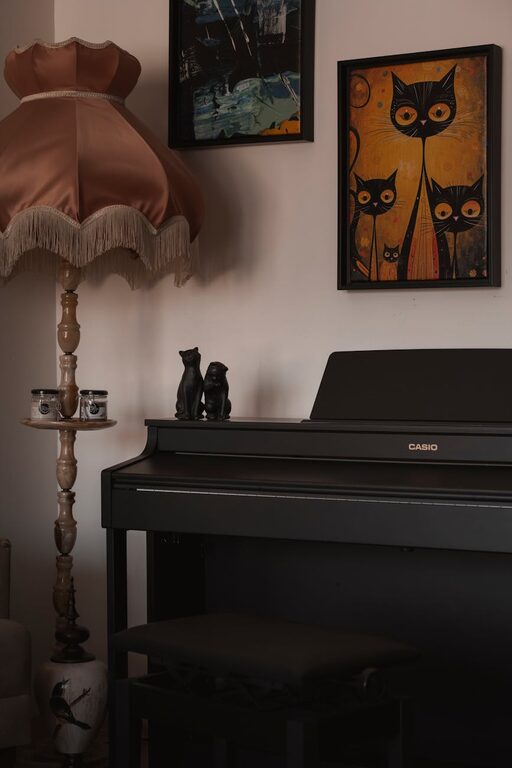
Creating comfortable home lighting is key to making your living space feel warm, welcoming, and functional. The right lighting not only impacts how a room looks but also affects your mood and daily activities. Whether you’re redesigning a room or upgrading your existing lights, choosing the best lighting can seem overwhelming. This guide will walk you through practical tips to help you select lighting that’s both comfortable and stylish.
Why Comfortable Lighting Matters
Good lighting isn’t just about brightness. It sets the tone of a room and can highlight your décor, make spaces look larger, and improve your overall comfort. Harsh or poorly placed lighting can cause eye strain, headaches, and make rooms feel cold or uninviting. Comfortable lighting balances functionality with ambiance, helping you feel relaxed and productive.
Understand the Different Types of Lighting
When planning your home lighting, it’s helpful to know the three main types: ambient, task, and accent lighting.
1. Ambient Lighting
Also called general lighting, ambient light provides overall illumination for a room. It ensures a comfortable level of brightness without glare. Examples include ceiling-mounted fixtures, chandeliers, or recessed lights.
2. Task Lighting
Task lighting is focused and brighter, designed to help you perform specific activities like reading, cooking, or working. Desk lamps, under-cabinet kitchen lights, and vanity lights are common types.
3. Accent Lighting
Accent lighting adds drama and highlights features like artwork, plants, or architectural details. Spotlights, wall sconces, and LED strip lights are examples.
A well-lit room often combines all three types in layers, offering flexibility and comfort.
Tips for Choosing Comfortable Lighting
Consider the Room’s Purpose
Think about how you use each room. For example, living rooms benefit from warm, softer lighting for relaxation, while kitchens and bathrooms need brighter lights for visibility. Bedrooms generally call for dimmer, soothing light to promote rest.
Choose the Right Color Temperature
Light bulbs come in various color temperatures, measured in Kelvins (K). This affects the mood and feel of the light:
– Warm white (2700K-3000K): Cozy, relaxing, ideal for living rooms and bedrooms
– Neutral white (3500K-4100K): Balanced, good for workspaces and kitchens
– Cool white (5000K-6500K): Bright, stimulating, suitable for task areas or garages
For comfortable home lighting, most people prefer warm to neutral temperatures.
Use Dimmer Switches
Installing dimmer switches allows you to adjust the light intensity to suit different times of day or activities. This adds control and can save energy. Dimmers are especially handy in dining rooms, bedrooms, and living areas.
Mind the Bulb Type
Modern bulbs vary a lot. Here are common types:
– LED bulbs: Energy-efficient, long-lasting, available in many colors
– CFL bulbs: More efficient than incandescents but contain small amounts of mercury
– Incandescent bulbs: Warm light but less energy-efficient and shorter lifespan
LED bulbs are a smart choice for comfort and sustainability.
Avoid Glare and Harsh Shadows
Position lights to avoid direct glare in your eyes or harsh shadows. For example, indirect lighting, lampshades, and diffusers soften light for a more pleasant feel. Consider lamps that direct light both up and down to spread illumination evenly.
Think About Fixture Style and Size
Choose fixtures that fit the room’s scale and style. Oversized fixtures can overwhelm small rooms, while tiny lights may feel inadequate in large spaces. The fixture’s design also contributes to the room’s ambiance, so pick something that complements your décor.
Layer Your Lighting
Combining multiple light sources at different levels adds depth and comfort. For example, pair ceiling lights with table lamps and accent lights to create a balanced environment.
Room-by-Room Lighting Ideas
Living Room
– Use warm ambient lighting for a cozy vibe.
– Add table lamps or floor lamps near seating for reading.
– Incorporate accent lights to highlight art or shelves.
Kitchen
– Bright, neutral white task lighting over counters and work areas.
– Under-cabinet lights to eliminate shadows.
– Ambient lighting for general visibility.
Bedroom
– Soft, warm lighting with dimmer controls.
– Bedside lamps for reading.
– Avoid overly bright ceiling lights; opt for softer fixtures.
Bathroom
– Bright, neutral task lighting near mirrors.
– Ambient lighting to create a spa-like atmosphere.
– Use fixtures with moisture resistance.
Final Thoughts
Comfortable home lighting makes a big difference in how your space feels and functions. By understanding the types of lighting, choosing suitable color temperatures, and layering your light sources, you can create an inviting and practical environment. Remember to factor in the room’s purpose and experiment with dimmers and fixtures to customize your lighting perfectly.
Take your time selecting or upgrading home lighting — the right choices will brighten your home and enhance your daily life. Happy lighting!