
Beginner Tips for Taking Better Phone Photos
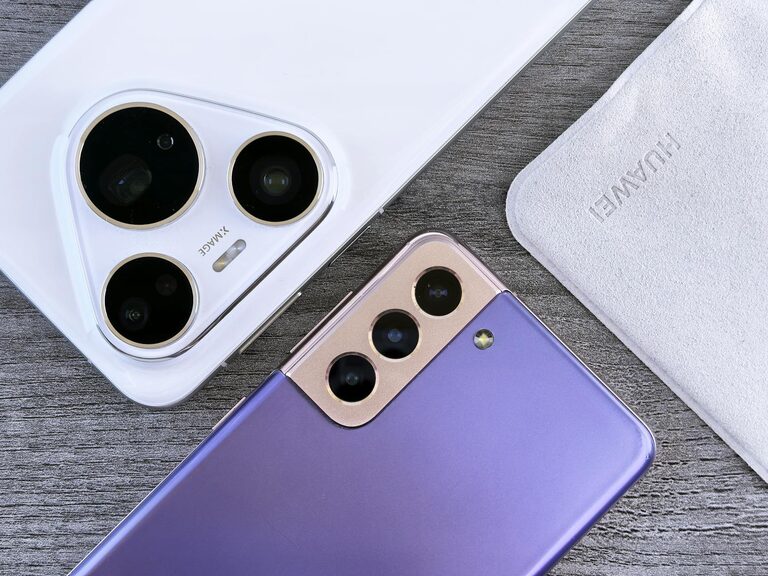
Taking great photos with your phone doesn’t require expensive gear or advanced skills. With just a few simple tips, you can significantly improve your mobile photography and capture images that stand out. Whether you want to document everyday moments or create beautiful shots to share with friends and family, these beginner tips will help you get started on the right path.
Understand Your Phone’s Camera
Modern smartphones come equipped with powerful cameras, but knowing how to use them is key.
– Explore Camera Settings: Spend a few minutes opening your camera app and exploring options such as HDR, grid lines, exposure control, and different shooting modes.
– Use the Grid: Enable the grid lines to apply the “rule of thirds.” This helps you frame your subject off-center for more balanced and interesting photos.
– Focus and Exposure: Tap on the screen where you want the camera to focus. You can usually adjust exposure by sliding up or down near the focus point to brighten or darken the image.
Keep Your Lens Clean
This may sound obvious, but many blurry or hazy photos are caused by dirty lenses. Phone lenses easily collect fingerprints, dust, and smudges.
– Use a soft microfiber cloth to clean the lens before you start shooting.
– Avoid touching the lens directly.
Find Good Lighting
Lighting can make or break your photo. Here’s how to work with light for better results:
– Natural Light: Whenever possible, use natural light. It’s softer and more flattering than most artificial lights.
– Avoid Harsh Sunlight: Midday sun can create harsh shadows and blown-out highlights. Aim for early morning, late afternoon, or overcast skies for softer lighting.
– Backlighting: If your subject is backlit (with bright light behind them), consider using HDR mode or moving the subject slightly to avoid silhouettes unless that’s the effect you want.
Compose Thoughtfully
Composition is about arranging elements in your photo to make it pleasing to the eye.
– Use Leading Lines: Look for roads, fences, or other lines that lead the viewer’s eye to the subject.
– Frame Your Subject: Use natural frames like doorways, arches, tree branches, or windows to add depth and interest.
– Fill the Frame: Get closer or zoom in slightly to highlight your main subject and reduce distractions.
– Try Different Angles: Don’t always shoot from eye-level. Experiment by shooting from low angles or overhead for fresh perspectives.
Hold Your Phone Steady
Shaky hands can cause blurred photos, especially in low light conditions.
– Hold your phone with both hands for better stability.
– Lean against a wall or rest your elbows on a solid surface.
– Consider using a small tripod or phone stand if you plan to take more controlled or timed shots.
Use Editing Apps Sparingly
Editing can polish your photos but don’t overdo it.
– Use apps like Snapseed, Lightroom Mobile, or VSCO for basic adjustments like cropping, brightness, contrast, and color correction.
– Avoid heavy filters that make your photo look unnatural.
– Always save a copy of the original photo before making edits.
Experiment With Different Modes and Techniques
Most phone cameras offer features that can elevate your photography.
– Portrait Mode: Creates a blurred background (bokeh effect) that emphasizes the subject.
– Panorama Mode: Useful for capturing wide landscapes or large group shots.
– Burst Mode: Great for action or multiple quick shots, so you can pick the best moment.
– Night Mode: Helps capture clearer photos in low light by combining multiple exposures.
Practice Regularly
Like any skill, photography improves with practice.
– Take photos regularly to familiarize yourself with your phone’s capabilities.
– Review your photos and identify what works and what could be improved.
– Challenge yourself with photo themes or projects to stay motivated.
Backup Your Photos
Don’t risk losing your best shots.
– Use cloud storage solutions like Google Photos, iCloud, or Dropbox to automatically save your images.
– Regularly transfer photos to your computer or an external drive for additional backup.
Final Thoughts
Improving your phone photography doesn’t need to be complicated. Focus on understanding your camera, mastering light and composition, and practicing consistently. With these beginner tips, you’ll be surprised at how quickly your photos improve — and how much fun it can be to capture the world through your phone lens!
Remember, the most important thing is to enjoy the process and explore your creativity. Happy shooting!